estoring Connections is a Denver organization that creates meaningful relationships between people from different social backgrounds. Founded by Vie Thorgren, the group follows the caring spirit of St. Vincent de Paul through its prison outreach and work with people facing hardship.
Beginnings
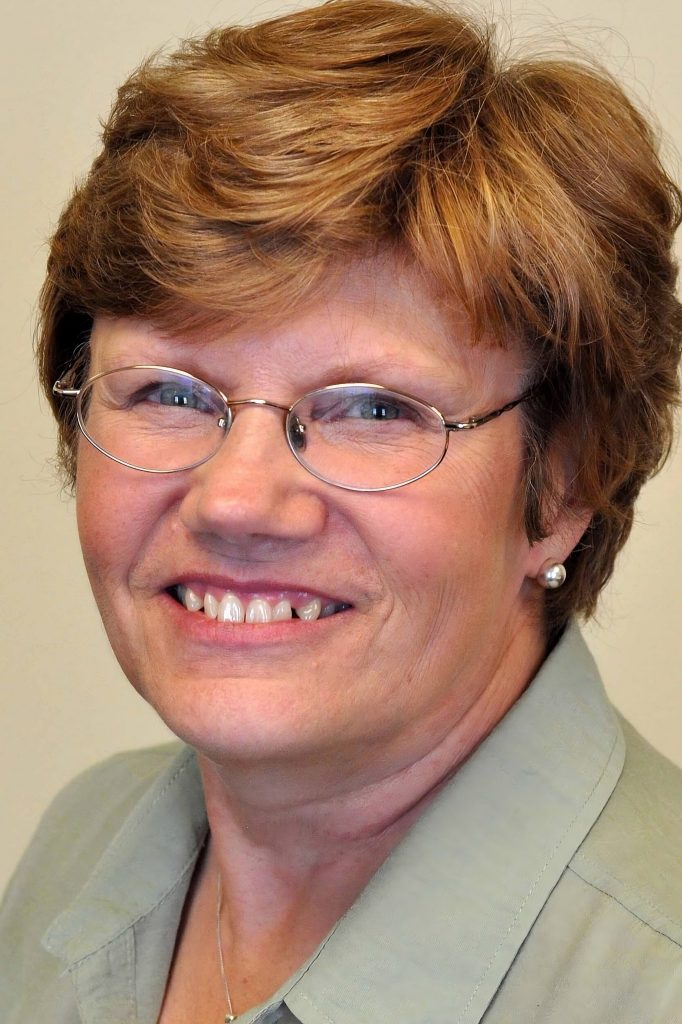
Restoring Connections began in 1995 when St. Thomas Theological Seminary in Denver closed. Thorgren, who taught spiritual development to students there, received an invitation from the Vincentian priests who had moved to a downtown Denver church.
“They invited me to start a center that would help people find their calling and connection to service in their everyday lives,” explains Thorgren.
What started as a six-month trial grew into a lasting mission. The organization was first called the “Vincentian Center for Spirituality at Work,” but this name confused people. Many stumbled over “Vincentian” and misunderstood “work” as meaning jobs rather than spiritual purpose.
They eventually changed their everyday name to “Restoring Connections” while keeping their original legal name. This new name better captured their main goal of bringing people together.
Everyone Has a Voice
From the start, Restoring Connections has practiced what it preaches in how it’s organized. Unlike traditional charities where well-off people serve clients in need, Restoring Connections includes people from struggling communities in all leadership and decision-making.
“From the beginning, our committees, board, and planning have included people who are often left out—people without homes or who had just returned from prison,” Thorgren notes.
This approach ensures that programs are created with those they aim to help, not just for them. It rejects the idea of charity recipients and instead creates a model where everyone gives and receives.
“When we bring together people who have comfortable lives with people who are struggling—everybody’s a client,” Thorgren emphasizes. “That lawyer or business person—we care as much about their spiritual growth as we do the person who may be homeless, in prison, or reentering society.”
Restoring Connections runs several key programs designed to create life-changing relationships:
Training and Support for Companioning Others
Spiritual directors and others who are committed to serving marginalized individuals can access a variety of formational programs and participate in trauma-informed peer supervision. These services support a network of providers for individuals most in need.

Survival Backpack Initiative
The organization provides backpacks with toiletries, food coupons, resources, towels, and other basics for people without homes. This program now includes winter items handmade by women in prison—an example of connection between different communities.
Soul Care: A Deeper Prison Ministry
Perhaps Restoring Connections’s most unique aspect is its prison ministry, “Soul Care.” Trained volunteers meet one-on-one with prison inmates regularly.
“We focus on addressing why they became incarcerated,” Thorgren explains. “We work on healing, finding meaning and purpose, dealing with forgiveness, and helping them discover they can choose a future that reflects their values.”
Restoring Connections works with prisoners, “helping them discover they still have a life with meaning and purpose and can serve others even where they are.”
Charity and Justice Together
The foundation of Restoring Connections comes directly from St. Vincent de Paul’s tradition of bringing together people from opposite ends of society. This approach rejects the idea that poor or incarcerated people are just charity recipients.
“These are our siblings. These are our brothers and sisters. We form relationships and work together for change,” Thorgren emphasizes.
This view reflects St. Vincent’s understanding that real transformation happens through relationships, not programs. As Thorgren puts it: “Each has something to give, and each person has their own needs. We become whole in relationship with others.”
The organization’s inspiration comes from 2 Corinthians 5, which provides the motto: “Impelled by the love of Christ.” This Scripture calls believers to be “ambassadors of reconciliation,” bringing healing to wounded communities.
Thorgren describes this balanced approach: “Charity and justice are both arms of love”—meeting immediate needs while also working for system-wide change.
Real Stories of Change
The power of Restoring Connections’ approach is clearly shown in the stories of lives touched by their work.
Tanya’s Story: Taking Action
During one of Thorgren’s regular Soul Care visits, a prisoner (called “Tanya” to protect her privacy) shared that she was deeply troubled by thoughts of people living on the streets.
“Tanya told me, ‘I’m here because I did something wrong and needed to be punished. But the homeless haven’t done anything wrong,’” Thorgren recalls.
When Tanya learned about the backpack program, she realized: “I know how to crochet. I can make hats, mittens, and scarves for the backpacks.”
With insight, Tanya noted the irony of her situation: “I live in a gated community,” she joked about the prison. But then she continued gratefully: “I do have shelter. I have a bed, a blanket, a pillow, and three meals every day.”
Tanya organized other women who could crochet, got permission from prison officials, and started a program to create winter items for the backpacks. When Thorgren shared this story at a church, the response was overwhelming, and women there began donating yarn—creating a connection between communities that would normally never meet.
The Gardener: Finding Purpose

Another woman serving life without parole found her calling through the Soul Care program. Using her gardening knowledge, she got permission to start a garden that provided the prison with flowers and fresh vegetables they didn’t have before.
This project improved the physical space while giving her opportunities to teach younger inmates gardening skills. Through this work, she found purpose: “My life has meaning. It’s not wasted,” she told Thorgren.
The organization’s approach helps prisoners discover they’re not inmates or offenders, but free women with something to offer others and the community.
Finding Spiritual Support
As a Sisters of Charity of Leavenworth Associate (SCLA), Thorgren finds essential spiritual support for her challenging work. This relationship gives her a community where her mission and values are understood.
“I spend most of my time in leadership confronting people who have more punishment-focused views,” she explains. These encounters can involve challenging racist or harsh mindsets—difficult and draining work.
“Being an SCL Associate gives me a place where I don’t have to explain myself,” Thorgren reflects. “It gives me a space where I can be nurtured and just be. I can be fed and restored.”
This spiritual grounding provides Thorgren with the strength needed to continue her work in environments where she must counter harsh perspectives and invite people to more compassionate understanding.
Meeting Today’s Challenges: The Power of Stories
In today’s divided social and political climate, Thorgren finds hope in stories that bridge divides and inspire action. She notes that stories of transformation—like Tanya’s—can balance the negativity that often dominates public discussions.
“Stories are so important—stories about the work God is doing through so many people in quiet ways,” she explains. “St. Vincent de Paul taught that the destructive spirit speaks loudly and gets lots of attention. God’s spirit is quieter and gentler, but much more effective over time.”
Looking to the Future
Looking ahead, Thorgren hopes that the spirit behind Restoring Connections will spread, even as organizations change over time.
Thorgren recognizes that organizations have life-spans: “Organizations spring up, have a lifespan, and don’t last forever. It’s not the organization that matters as much as the spirit behind it.”
“I hope what lasts and spreads is the spirit behind our work,” she reflects. “That deep spirituality that leads us not just to charity, but to a sense of justice.”
Her goal is not to build an organization that lasts forever but to nurture relationships that transform individuals and communities by recognizing the dignity and gifts of all people, especially those society often ignores.
Through its programs and spiritual approach, Restoring Connections continues to build bridges, heal wounds, and show the deep humanity of all people