A Living Lesson in Integral Ecology at the Santa Julia Wetlands
On a bright Saturday morning, October 11, the Santa Julia Wetlands in Piura, Peru, came alive with the sounds of wings, laughter, and community. The Regional Government of Piura, through the Regional Directorate of Agriculture (DRAP) and the National Forestry and Wildlife Service (SERFOR), hosted a celebration of conservation, education, and hope in honor of World Migratory Bird Day.
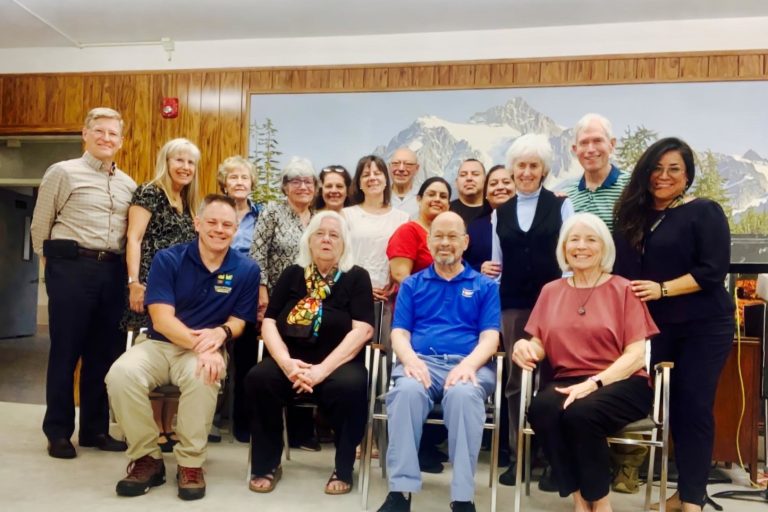
Early in the morning, the wetlands welcomed a vibrant mix of volunteers from the Centro Pastoral San Vicente de Paúl’s IEI and Crafts Workshop, students and families, and local partner organizations like Minera Río Blanco, Cementos Pacasmayo, the National University of Piura, César Vallejo University, and the Municipality of Veintiséis de Octubre. Participants helped count migratory birds and learned about this biodiversity hotspot.
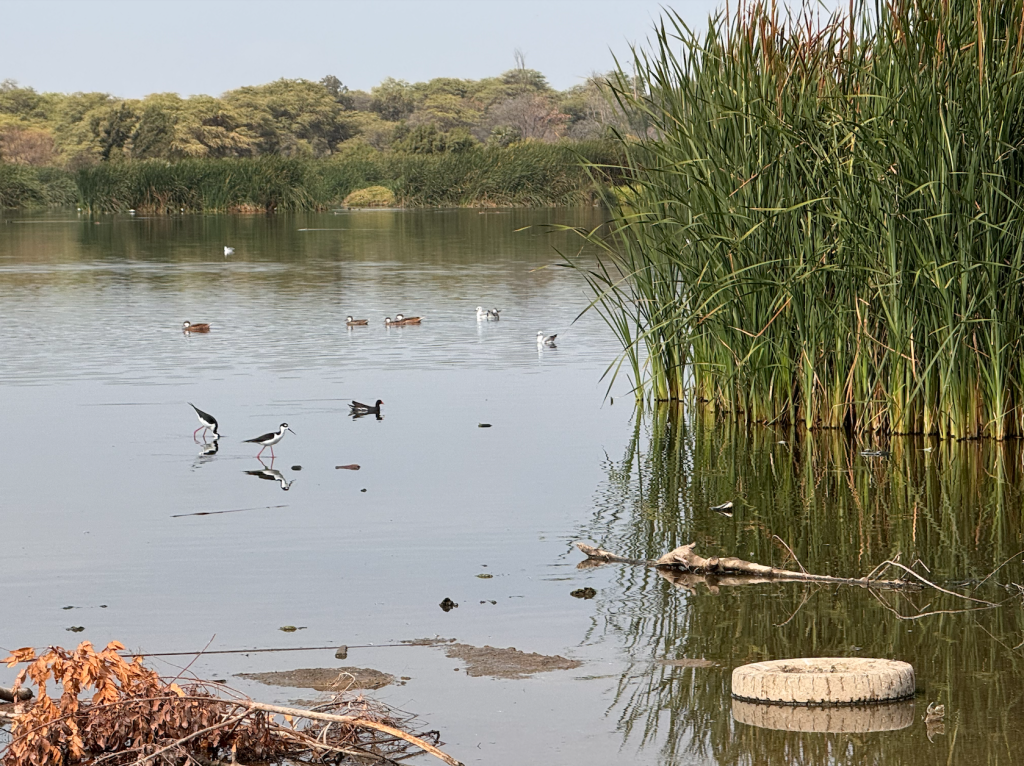
The Santa Julia Wetlands are one of Piura’s most important ecological sanctuaries, home to more than 90 species of birds and a variety of aquatic plants and wildlife. Located along the Pacific Flyway, this lush refuge provides food, rest, and nesting grounds for migratory birds traveling between North and South America.
Visitors to Santa Julia are often rewarded with the sight of herons, egrets, ibises, cormorants, terns, gulls, and flamingos, each playing a role in the wetland’s delicate balance. Among its most beloved residents is the Masked Duck, affectionately known as la monjita— “the little nun.” With its black mask and white-speckled plumage that evokes a nun’s habit, la monjita symbolizes grace and persistence amid environmental change.
The importance of these wetlands extends far beyond their scenic beauty and critical habitat for endangered species. The wetlands serve essential functions in a region prone to seasonal rains and El Niño events, acting as a vital water regulation system to recharge groundwater, filter pollutants, and control floods. They also act as natural carbon sinks, helping mitigate climate change effects on a regional scale.
During the event, organizers unveiled plans for a 9-meter-high bamboo viewing platform to serve as an observation post for visitors to protect the area from further damage.
This collaborative event represents an important step toward raising awareness, restoring, and conserving the Santa Julia Wetlands and is a testament to how community engagement and education can protect this vital ecosystem for future generations.