
This article appeared in the Summer 2025 Issue of Voices of Charity.
Picture a parish pastoral council where everyone’s voice matters—the single mother worried about childcare, the overlooked elderly parishioner, the teenager with fresh ideas. This vision can become reality through synodality.
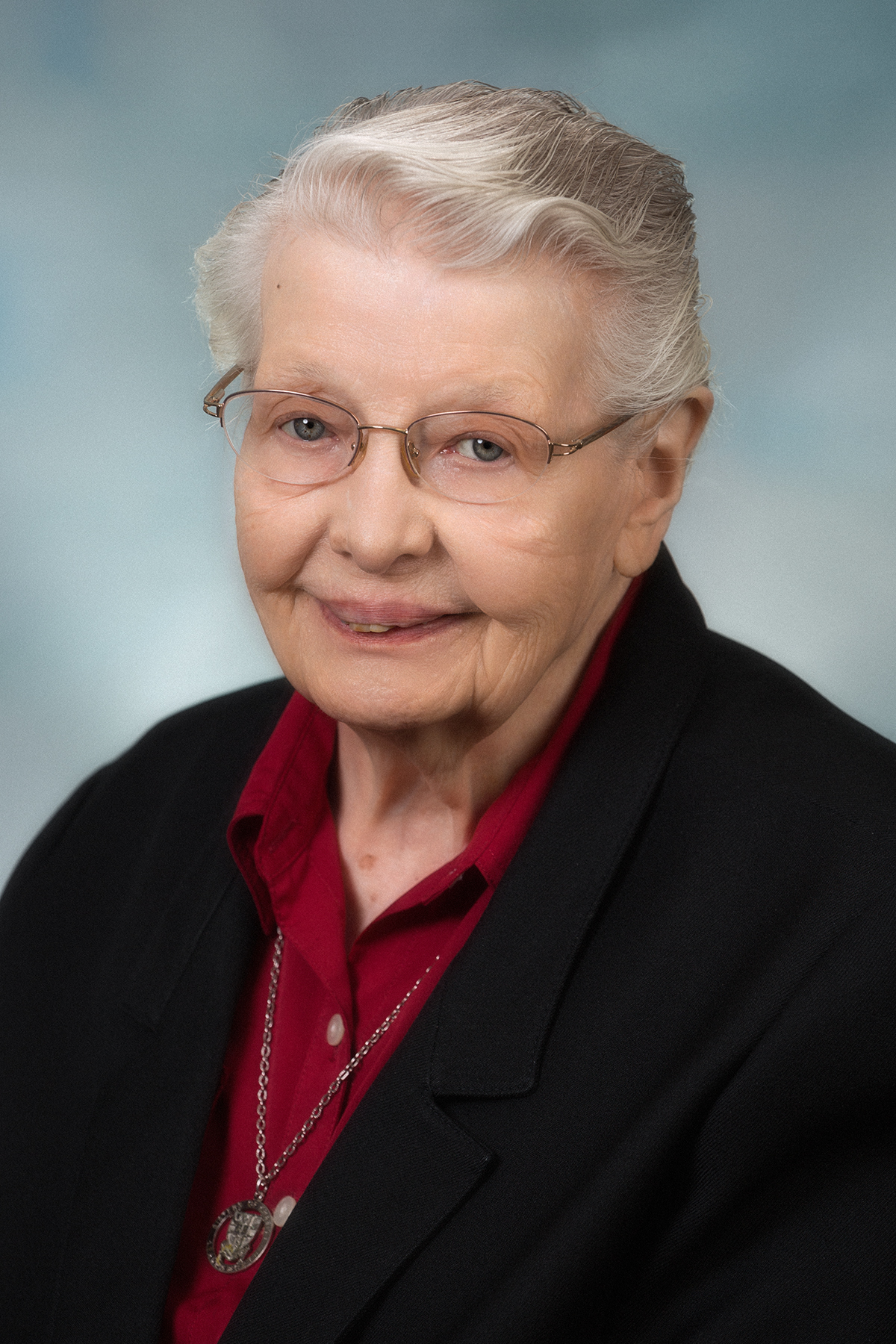
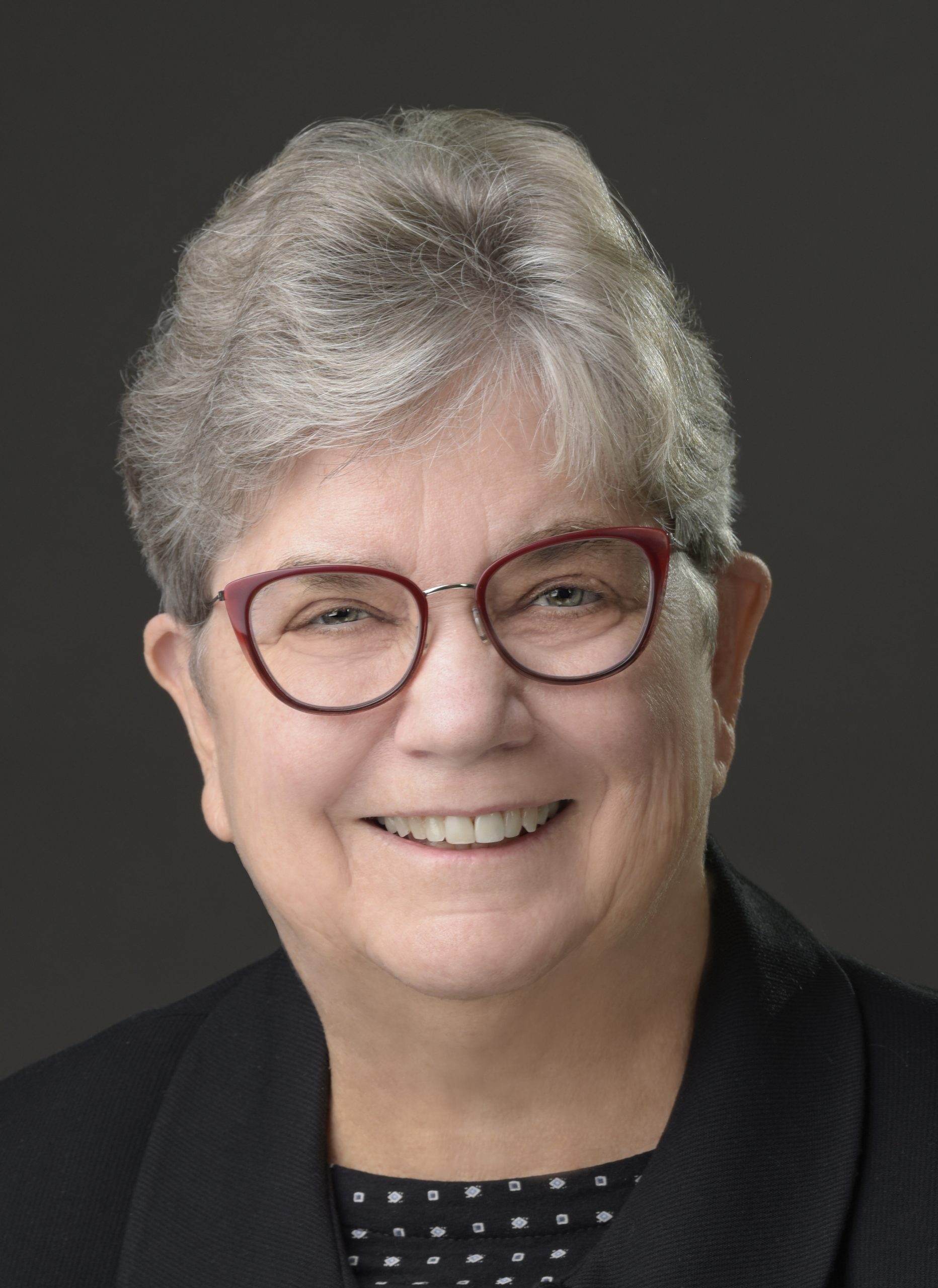
Sister Susan Wood, Sister of Charity and professor of systemic theology at the Regis St. Michael’s Faculty of Theology at the University of Toronto, explores the theological foundations of synodality in her new book A Synodal Church: The Christian Faithful on Pilgrimage (2025). She argues that synodality represents a fundamental way of being Church—rooted in baptism and the Second Vatican Council’s vision of the Church as a pilgrim community. Rather than surface consultation, she calls for real transformation through communal discernment that empowers both clergy and laypeople to embrace diversity, dialogue across differences, and discern God’s will together.
More Than Meetings
“Synodality is not a chapter in an ecclesiology textbook,” Sister Susan writes. “It is an expression of the Church’s nature, her form, style, and mission.” She connects it directly to baptism: “Baptism sacramentally enacts the journey of a synodal church…. All of Christian life is properly baptismal.”
This challenges how Catholics see themselves. Sister Susan reminds us: “There is no such thing as laity in the Church, only Christians, some ordained, all missionary disciples.” Historically, she notes, “The earliest use of the threefold title ‘priest, prophet, and king’ applied first to Christ, then to the church as a whole for the first twelve hundred years.” All baptized Christians share in Christ’s mission as primary participants.
From Theory to Practice
Sister Susan clarifies the practice of inclusive participation in the church: “Full, conscious, active participation is not a democratic, but a liturgical principle.” True synodality means listening for how the Spirit moves through the community’s lived faith experience.
It involves what the Church calls sensus fidelium—the sense of the faithful. As Sister Susan explains, “The emphasis is on a lived integration of teaching, not merely a notional agreement… whether the teaching has transformative power within a faith community.”
Small steps matter: restructuring meetings so quiet voices are heard; asking “What is God calling us to do?” instead of “What do we want?”; a parish pastoral council understanding why families leave, rather than lamenting declining attendance, practices synodality.
Addressing Real Obstacles
Sister Susan acknowledges genuine barriers: disconnection between clergy and laypeople, distrust from past wounds, and clericalism. Synodality addresses each by emphasizing shared baptismal identity, building trust through patient listening, and emphasizing hierarch as service.
“Discernment in common has the potential of being a transformative ecclesial practice,” she writes. Real change becomes possible when communities commit to this process.
Discerning Together
Living synodality begins with intentional choices:
- Listen deeply without planning your response
- Engage with parish decision-making—your baptism gives you both the right and responsibility
- Pray for the Spirit’s guidance in your community
Sister Susan’s message is, “The future of the Church depends on all of us—walking, listening, and discerning together.” This means rediscovering what the Church has always been called to be: a community of missionary disciples walking together, guided by the same Spirit.